Rooted In Hope

/Rooted In Hope

About Rooted In Hope

This author has not yet filled in any details.
So far Rooted In Hope has created 23 blog entries.

Where do you get your water?

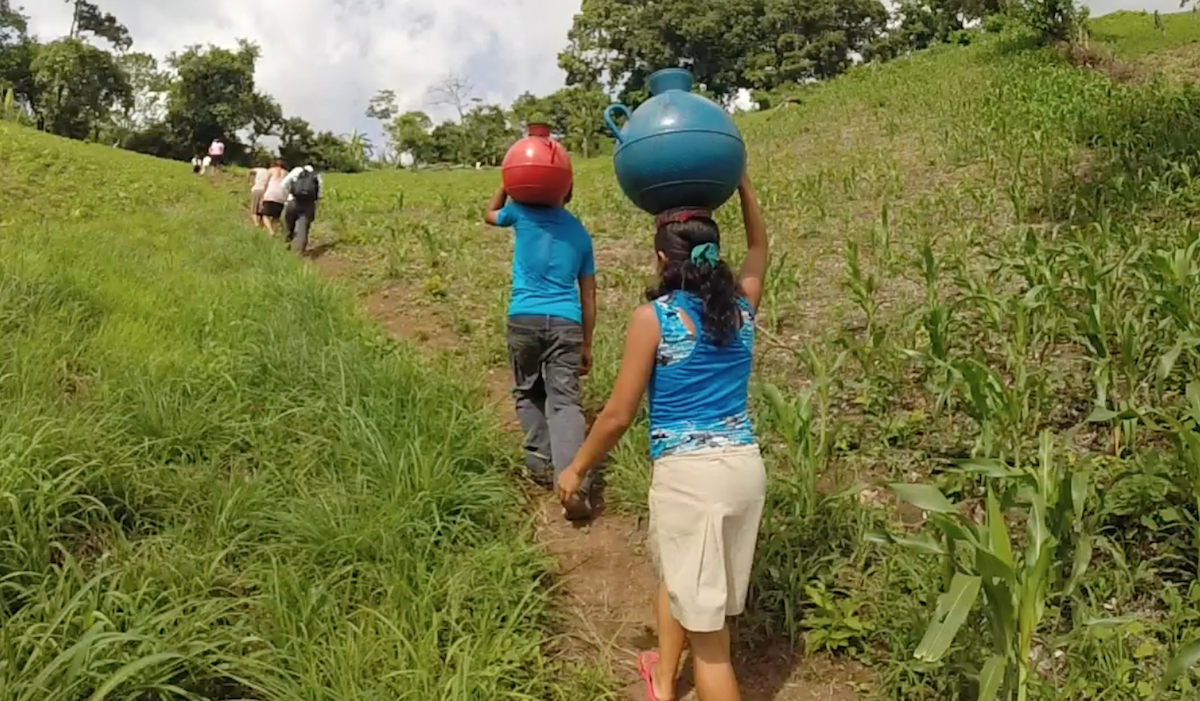
What do you do when you're thirsty? Open a bottle of water? Turn on the tap and fill your glass? One in ten people around the world do not have that privilege. For the 783 million who lack access to safe and clean drinking water, quenching thirst is a daily struggle. Yet, the implications of water scarcity go far beyond thirst. Globally, men, women, and children spend hundreds of millions of hours on water collection each day. Instead of earning money, getting an education, and working toward a better future, these people spend much of their productive capacity trying to meet a basic survival need. We visited a rural community in El Salvador to take a walk in their shoes, to gain a better understanding of the challenges these families face, and to witness first-hand the effort that is required just for a sip of water. Imagine walking for 2 hours, across three miles, up and down 2,000 feet of elevation, carrying a 40-pound tank of water, every day. This is their story. https://www.youtube.com/watch?v=2dsGn5exI84 July 2016 --- Los Yanez, Usulután, El Salvador
By | August 5th, 2016|General|0 Comments

Tree Planting in Asia – A new partnership in Bhutan

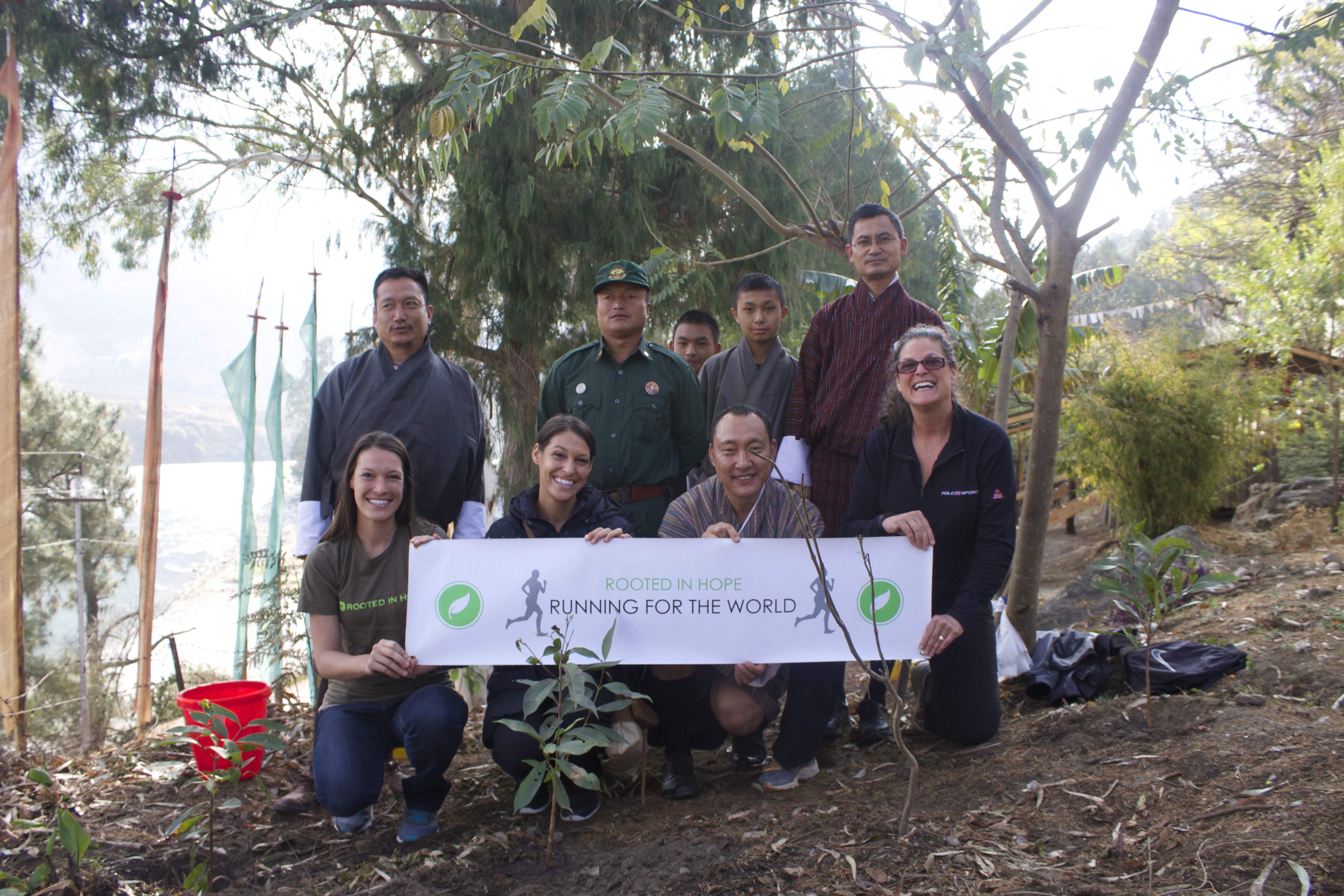
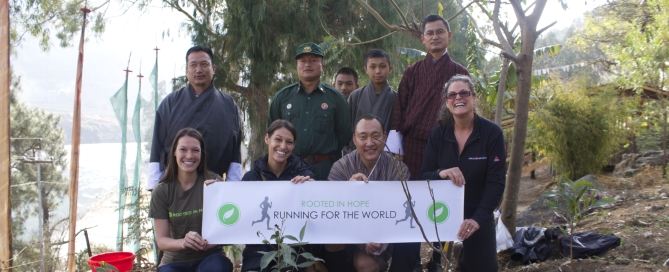
The Kingdom of Bhutan, nestled amongst the giant Himalayas on the border of China and India, is a small and isolated country with a strong commitment to conservation. The protection of forests is embedded in the country’s constitution, ensuring the preservation of at least 60% of forest area at all times. Bhutan also celebrates a national holiday on June 2, “Social Forestry Day,” dedicated to planting trees around the country. On March 6, Bhutan celebrated the one-month birthday of its new Prince by carrying out tree plantations across the country. To mark the auspicious number “108,” the country announced it would plant 108,000 trees. The Rooted In Hope team travelled to Bhutan in early March to complete our last half-marathon of our seven-continent journey to “Run the World, For the World.” Bhutan marked the culmination of our goal to run all seven continents while promoting global awareness of climate change. During our visit to Bhutan, we participated in a tree planting at a high school in Punakha, in which 108 Java Plum trees were planted in celebration of the new Prince. Rooted In Hope also supported the planting of hundreds of fruit-bearing trees across Punakha through a partnership with local stakeholders, including a Member of Parliament and the regional Minister of Forests. The nationwide effort to plant trees and the collective support of the Bhutanese people is a testament to Bhutan’s commitment to the environment. Rooted In Hope is proud to support the country's efforts to preserve its natural resources and empower its people to protect the planet. The Minister of Forests demonstrates how to plant a tree to the students. Rooted In Hope Founder, Cathy Rodgers, plants a tree seeding at Punakha High School. Students at Punakha [...]

By | March 9th, 2016|General|2 Comments

Taking Root in Central America

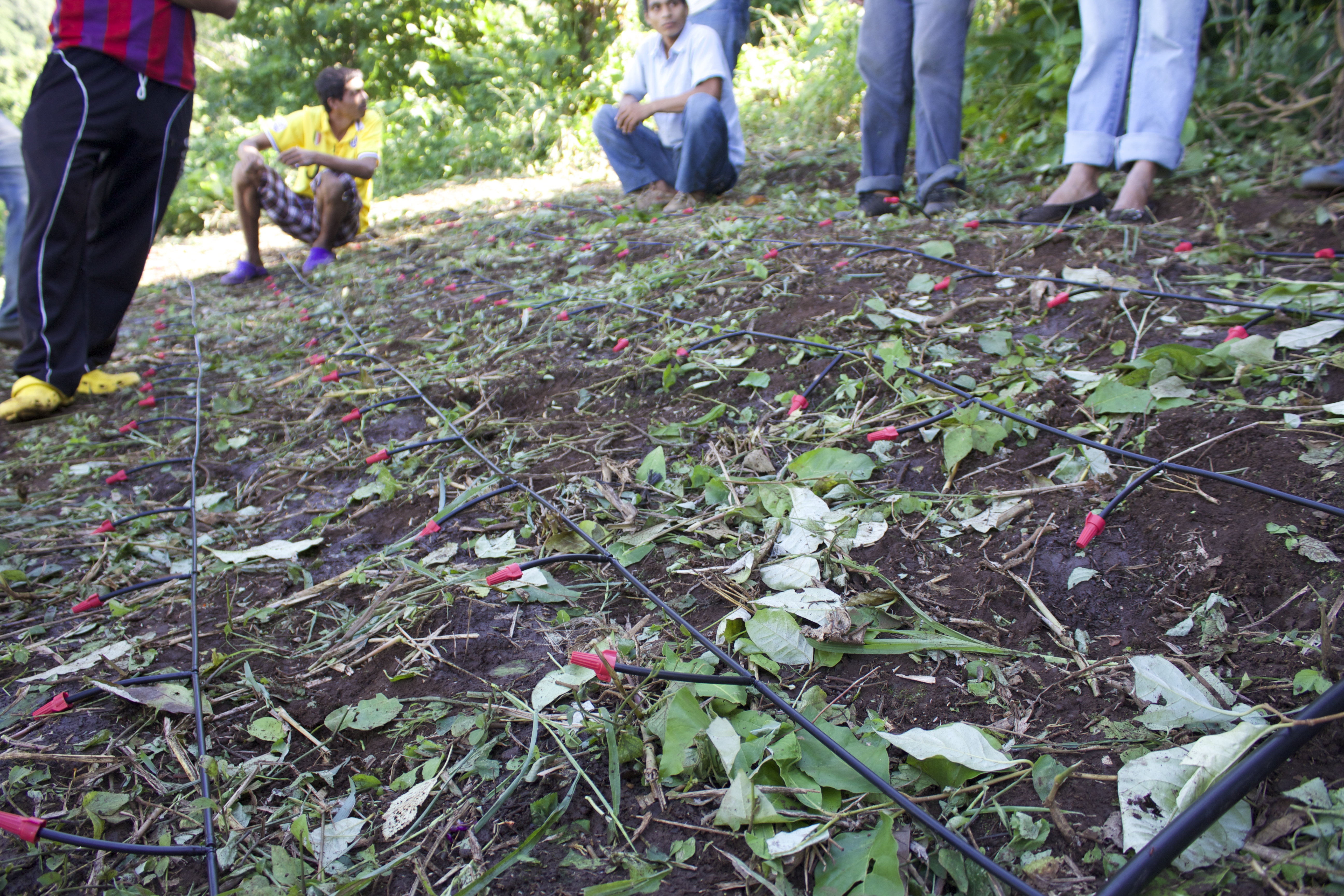
In the heart of Central America on the Pacific coast is El Salvador, a tiny country full of vibrant color, striking volcanoes, beautiful beaches, and friendly people. Last month, we traveled to the Usulután province in the southern part of the country to help rural communities combat the challenges of climate change. Rooted In Hope was invited to visit the town of Berlín and install drip irrigation systems for subsistence farmers in the surrounding villages. We were delighted to work with Katherine Pater of Our Sister Parish, whose mission is to bring hope and social development to the impoverished communities of Berlín. Katherine has lived and worked in El Salvador for nearly three years, supporting projects that help to create a better future for the people of Berlín. Most of the population in the Usulután province relies on small-scale agriculture as a primary source of food and income. Facing increasing drought and shifting climate patterns, many farmers are struggling to maintain their crops and harvest enough to provide for their families. With the introduction of our drip irrigation system, we hope to help these farmers conserve water, increase crop yields, and become more resilient to changes in climate. Our systems can support up to 120 plants and are designed to supply water directly to the roots, allowing for efficient use of land, time, and resources. Since the water flow is controlled by a valve, farmers can utilize the system even during the dry season and times of no rain. With the potential to provide year-round harvests, this small-scale, low-cost technology has the ability to bring greater food security and more income to the families. After successfully installing drip irrigation systems in the communities of Casa [...]

By | December 10th, 2015|General|1 Comment

Quick Guide to the SDGs – Understanding our goals for the future

As the UN moves closer to consensus on the Sustainable Development Goals (SDGs), it is important to understand what each of the 17 goals represent. This new global agenda seeks to achieve food security, gender equality, economic prosperity, and environmental protection across the globe by 2030. A common understanding of the steps that need to be taken by each and every one of us is the only way to achieve real progress. Here’s a quick look at the SDGs: Poverty Alleviation – End poverty in all its forms everywhere Food Security – End hunger, achieve food security and improved nutrition and promote sustainable agriculture Health & Well-being – Ensure healthy lives and promote well-being for all at all ages Education – Ensure inclusive and equitable quality education and promote lifelong learning opportunities for all Gender Equality – Achieve gender equality and empower all women and girls Water & Sanitation – Ensure availability and sustainable management of water and sanitation for all Clean Energy – Ensure access to affordable, reliable, sustainable and modern energy for all Economic Growth – Promote sustained, inclusive and sustainable economic growth, full and productive employment and decent work for all Innovation – Build resilient infrastructure, promote inclusive and sustainable industrialization and foster innovation Equality – Reduce inequality within and among countries Communities – Make cities and human settlements inclusive, safe, resilient and sustainable Conservation – Ensure sustainable consumption and production patterns Climate – Take urgent action to combat climate change and its impacts Oceans – Conserve and sustainably use the oceans, seas and marine resources for sustainable development Forests – Protect, restore and promote sustainable use of terrestrial ecosystems, sustainably manage forests, combat desertification, and halt and reverse land degradation and [...]

By | August 7th, 2015|General|3 Comments

A growing solution for rural Kenya

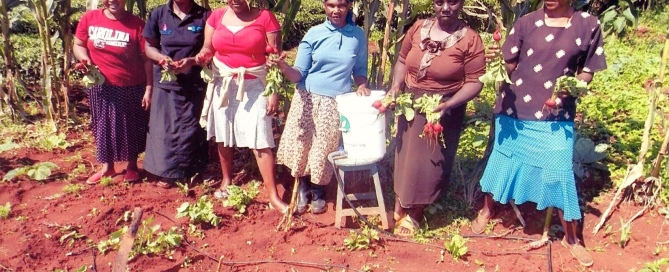
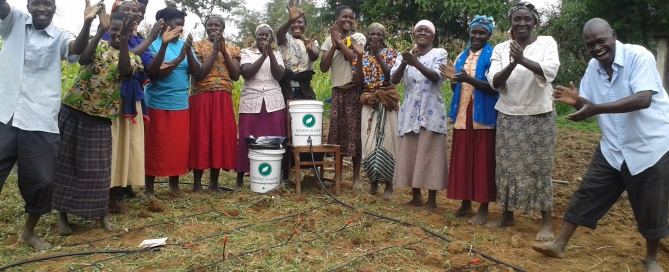
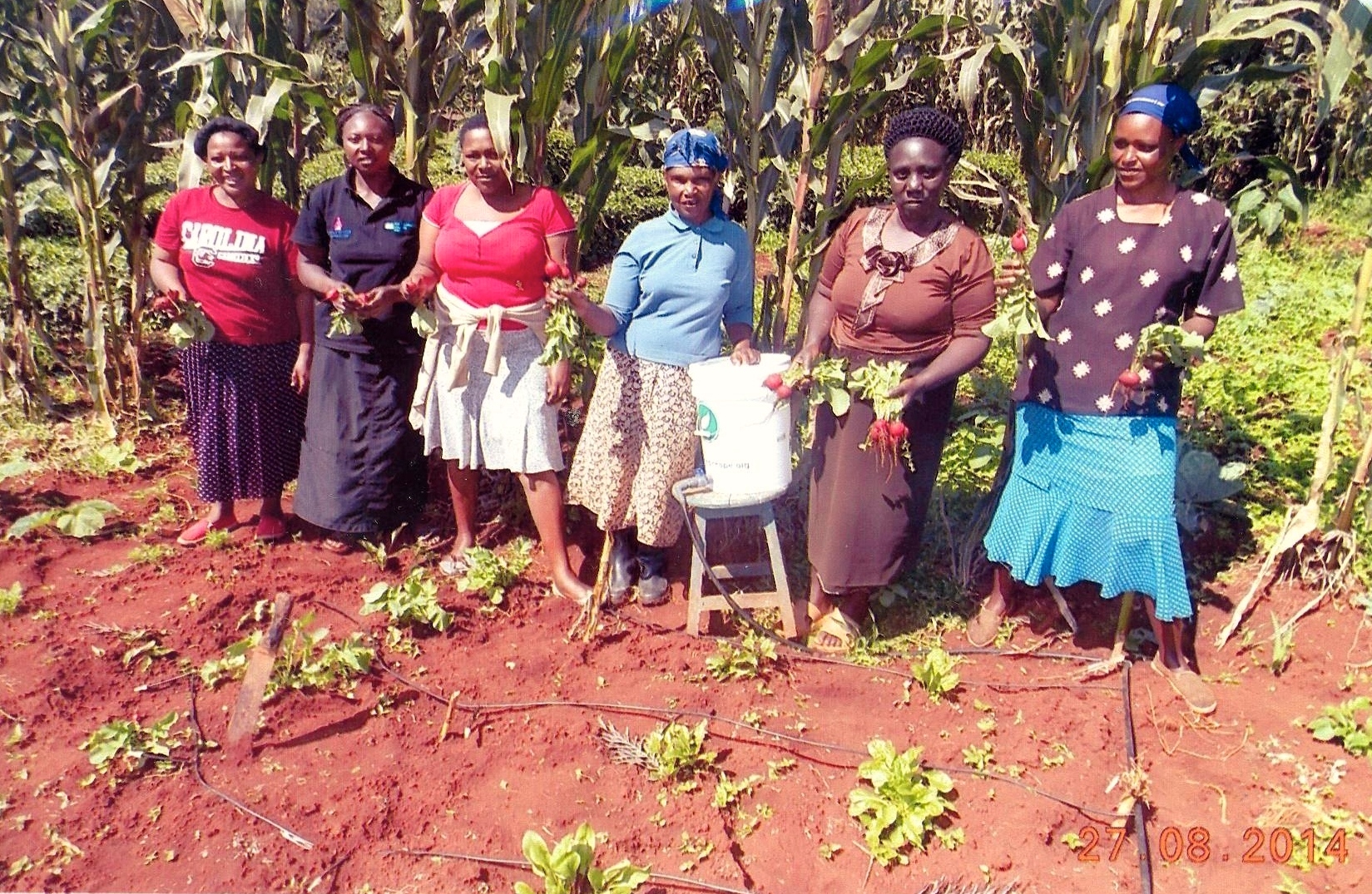
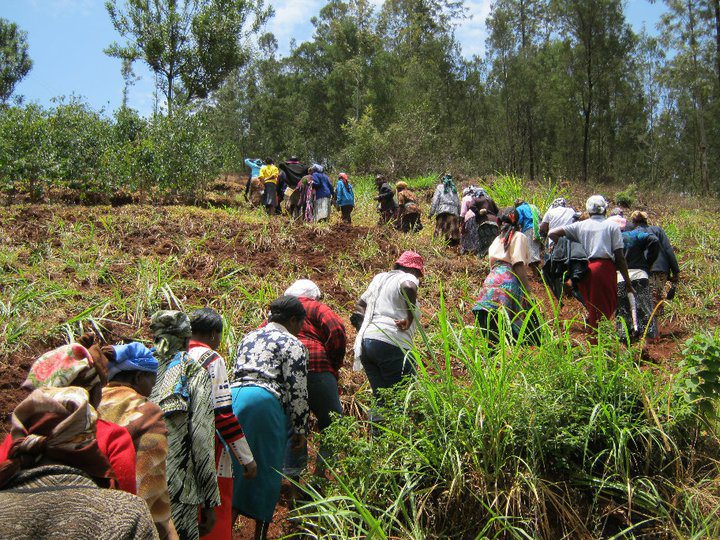
Last year we designed, developed, and distributed our first set of small-scale drip irrigation kits to groups across Kenya. Nearly a year later, we continue to receive positive feedback about the benefits that the kits provide. The farmers, women, students, and other groups who participated in our pilot program report that with the drip irrigation systems, they have been able to grow more vegetables, harvest year round, and earn money from their crops. Feedback from the field “We are fine and the drip irrigation kit did function well and the group in Kinunga had a wonderful harvest and are very thankful to Rooted In Hope team.” “We as Baraka family we do appreciate your donation and support. The drips are perfect only that we keep on rotating them due to the space they occupies.” “My drip is also doing well and have really helped during this dry season as the seeds germinated and are healthy enough” “The water is running very well and they are able to conserve the water very well as you will see in the pictures the crops are very green despite the hotness of the sun.” “The kits are working on well and are of great help to the groups, especially the Kinunga women’s group. They have confirmed even selling some of the crops such as spinach, carrots, and beetroots as they did very well and are now in the second harvest.” “This is a great initiative. It is a initiative to materialize. I am looking forward to be part of if. I will marshal Kenyan to be part of Rooted in  Hope vision on empowering Kenyans.”               Photos: Harvesting at Muramati Secondary School (left),  Baraka [...]

By | April 26th, 2015|General|9 Comments

Back to our roots

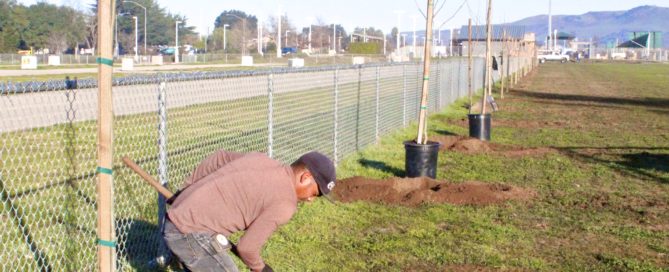
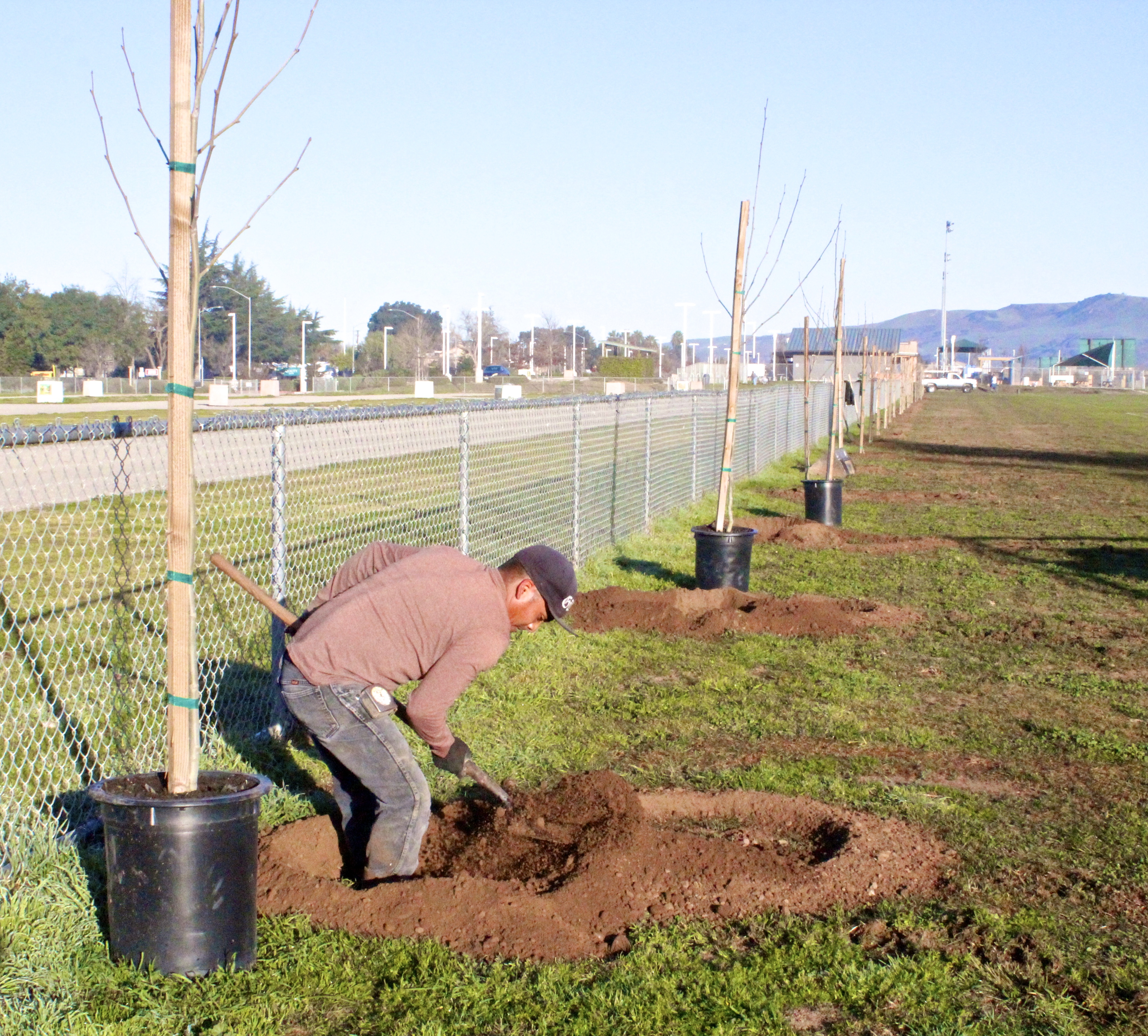
Rooted In Hope was founded nearly five years ago in Morgan Hill, California, a small town nestled in the foothills of the south Bay Area. Over those five years much of our work has been carried out in Africa, but made possible by people at home. With support from our local community, Rooted In Hope has helped bring new growth to people and forests worlds away. To celebrate our roots and the people who have helped drive our programs forward, we organized a local project in Morgan Hill. In May, over twenty people joined us in a 5K/10K fun run in Gilroy, California to raise funds for a local tree planting. With the help of the city's Planning Committee, we identified a site at the Morgan Hill Outdoor Sports Complex in need of tree cover. We worked with local tree expert and enthusiast, Michael Bonfante, to determine the appropriate species, sizes, and positioning of the seedlings to be planted. Last week, a group from Bonfante Nurseries teamed up with Rooted In Hope and planted the 40 young sycamores along the edge of the sports complex. This sycamore species is native to California and can reach over 100 feet in height. The 40 trees we planted will grow to be tall and strong, providing shade and natural beauty in our local community for years to come. Thank you to everyone who supported this local project and who continue to help make a difference at home and abroad.

By | February 12th, 2015|General|0 Comments

Smallholder Irrigation: The Key to Food, Water, & Income Security

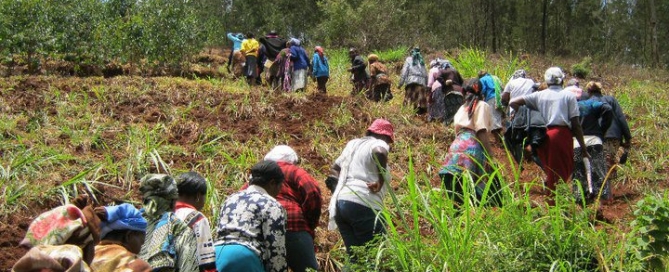
How do rural farmers persevere through enduring droughts and changing climates? Where do they find nutritious foods to sustain their families after persistent crop failures? What source of income do they rely on to meet their needs when there are no crops to be sold? These pressing issues are a daily reality for the more than 2.5 billion people around the world who depend on subsistence agriculture for a livelihood. With burgeoning populations and diminishing resources, smallholder farmers face harsher conditions than ever before. Climate change is causing farms to be more vulnerable to droughts, floods, pests, and other natural threats, only exacerbating the problems that small farmers face. With the increasing frequency, duration, and severity of drought conditions across much of the African continent, smallholder farmers are looking for new ways to ensure that their harvests are secured against unpredictable rains. Despite the dire need for climate-adaptation solutions, less than 6% of all cultivated land in Africa is irrigated, and almost all poor farmers are dependent on rainfed agriculture. Given that irrigated plots can more than double crop yields as compared to rainfed plots, the potential to achieve food, water, and income security through irrigation remains untapped across the African continent. Drip-irrigation in particular can play a key role in increasing crop yields, conserving water, and creating a sustainable source of income for smallholder farmers in rural Africa. Food Security The thirteen women that make up the Merciful Women’s Self-Help Group in Kinunga, Kenya are in a daily battle against the effects of climate change. Facing shorter rainy seasons, a shrinking plot of arable land, and a proliferation of crop-damaging insects, they were eager to experiment with new techniques to increase their agricultural yields. [...]

By | July 29th, 2014|General|14 Comments

‘Cool Runnings’ in Antarctica

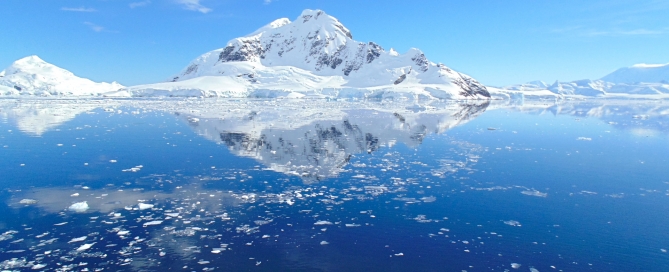
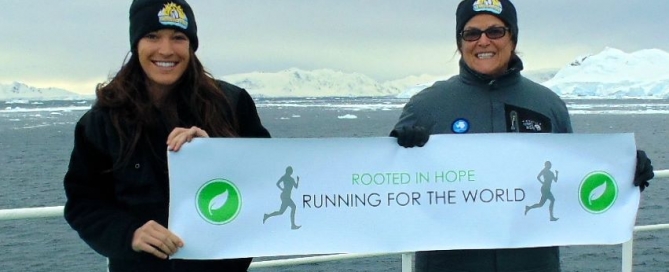
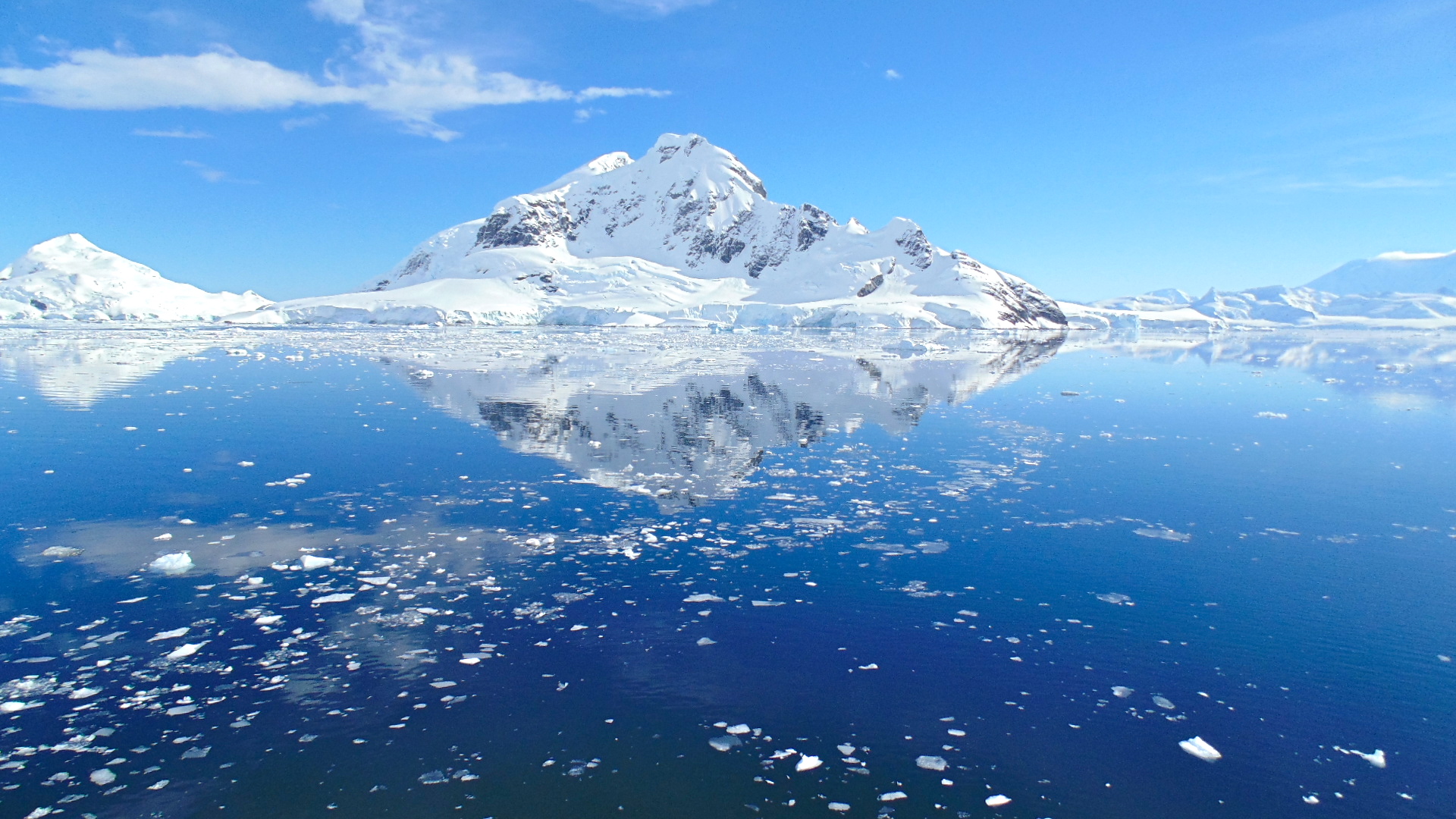
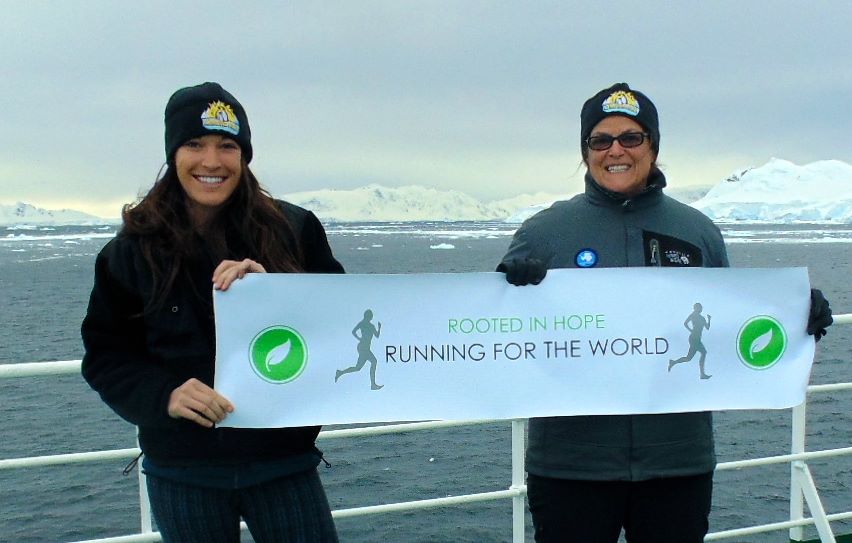
What draws people to explore Antarctica, the ‘highest, driest, coldest, windiest’ place on Earth? What is it about the white continent, with its freezing temperatures, desolate landscapes, and complete isolation, that compels one to make to the arduous journey to the bottom of the world? The mystique of Antarctica and its stories of heroism, adventure, and exploration, is as alluring as it is fascinating. A person cannot help but to feel small in the presence of such beauty and ruthless fury. Being so close to nature and so far from the distractions and comforts of society evokes a profound sense of emotion, reflection, and personal responsibility to protect Earth’s precious ecosystems. As Ray Mears writes in Surviving Antarctica, “People travel there to gain a better understanding of our planet and the way in which we as a species are impacting our biosphere.” The backdrop of towering peaks and glistening ice fields appears almost untouched by mankind, a striking paradox to the delicate balance on which this fragile environment depends. It would seem almost irrational to run a marathon in Antarctica, but runners around the world line up to brave the rough seas of the Drake passage and bone-chilling conditions to complete a race at the bottom of the world. As part of our journey to be the first mother-daughter team to run a half-marathon on all seven continents, my mom and I traveled to Antarctica with nearly 200 other runners to complete the 2014 half-marathon in March. The accomplishment of testing your physical endurance in one of the most remote places on the planet is both liberating and humbling. Jenny Hadfield of Runner’s World wrote, “The Antarctica Marathon is billed as one of the most [...]

By | March 26th, 2014|General|1 Comment

Running the World, For the World

New horizons… Traveling the world often exposes us to the delicate balance between people and the environment. It can take us from sprawling cities to squalid slums, from thirsty deserts to thriving forests, from high-rises to huts, from comfort to chaos. My mother and I both have a keen passion for travel and adventure, and this year, we have set our sights on new horizons, set our minds to bold commitments, and set our hearts on challenging goals. Although I did not know at the time, when I ran my first half-marathon in 2006 I was embarking on an incredible journey with my mother. We raced in Anchorage, Alaska, kicking-off my mom’s personal goal to complete a half-marathon on all seven continents. Over 13.1 miles we passed Alaska’s distant peaks, lush valleys, and rapidly receding glaciers. My sister and I ran again with my mom in 2008 for her seventh and final continent. The race took us to Brazil, a country home to over half of the world’s remaining rainforests, yet the world’s largest contributor to deforestation. Bold commitments… With two continents completed together, my mom and I set out to be the first “mother-daughter team” to run a half-marathon on all seven continents. We were selected to participate in the Antarctica half-marathon on March 10th, 2014 after over four years on a waitlist…and so begins the next leg of our race! It is difficult to fathom being in the presence of Antarctica’s towering glaciers, abundant wildlife, and lonesome mystique. There is no place else on Earth that is so untouched by man, yet so immensely altered by the human race. With only a week until we begin our journey South, I am both excited [...]

By | February 19th, 2014|General|0 Comments

Impact of Forest Conservation on Rural Development in Kenya

Forests play a crucial role in international development, serving as an environmental necessity and an economic resource around the world. Yet despite their blatant importance to our planet, forests continue to be destroyed at an alarming rate, creating a cascade of negative effects that are too palpable to ignore. Worldwide, over 32 million acres of forests are cleared each year, an area equal to the size of Nicaragua, with Africa’s forests disappearing at a rate nearly three times the global average[1]. The strain on the environment from deforestation has been particularly devastating for the most vulnerable populations in the developing world, often more impoverished and reliant on local natural resources to meet their daily needs than those in developed countries. https://www.youtube.com/watch?v=_l3jSTl3cLw The Issue In Kenya, a country with 80% of its population living on small-scare farming, over two-thirds of its landmass in arid or semi-arid climate zones, and a population growing at a rate of over a million per year, forest cover has experienced a sharp decline in recent decades[2]. Illegal logging, charcoal production, forest encroachment, squatter settlement, fire, erosion, and unsustainable land use have been the primary sources of deforestation in Kenya, and the consequences have been drastic.[3] Streams, riverbeds, and watering holes have dried up, soil erosion has increased, hydrological patterns have been disrupted, crops have been destroyed, and wildlife populations have diminished. Rural communities in Kenya dependent upon subsistence agriculture have little opportunity beyond farming, and many times can only meet their daily needs at the expense of the environment. Kenya’s burgeoning population is a stark contrast to its shrinking forests. Marginalized communities continue to cut down trees everyday for firewood and charcoal use, causing the forests cover to retreat further. In [...]

By | January 24th, 2014|General|1 Comment