Rooted In Hope

/Rooted In Hope

About Rooted In Hope

This author has not yet filled in any details.
So far Rooted In Hope has created 23 blog entries.

Aloha ʻĀina – “Love of the Land”

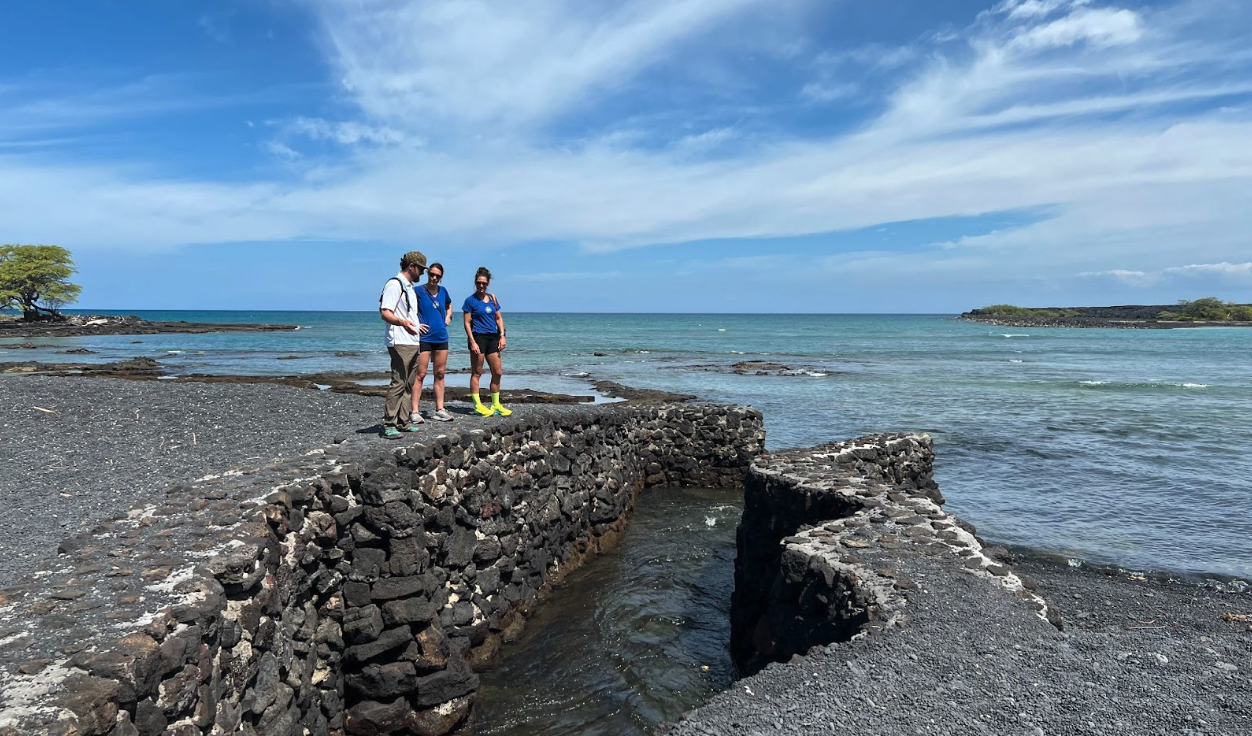
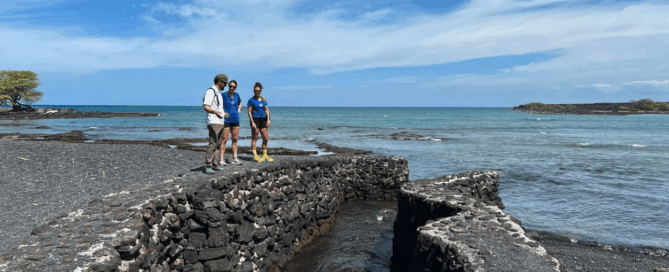
ROOTED IN HOPE PARTNERS WITH THE NATURE CONSERVANCY IN KONA For the love of the land. Rooted In Hope’s most recent project is working with The Nature Conservancy and the native Hawaiian community of Kihole to restore and protect ancient fishponds that have provided sustainable fishing grounds for the community for centuries. “Aloha Aina” which means for love of the land encompasses a deep respect, connection, and responsibility for the land, culture, and community. It's more than just a phrase; it's a philosophy that emphasizes stewardship, sustainability, and recognizing the integral role of the land in Hawaiian life.  Zach Horton, Sr. Associate and Director of Philanthropy for TNC shows Katie and Jenny Emick the 200 foot stone channel that serves as safe passage from the fish ponds to the ocean. This notion, this philosophy, this way of living sustainably is truly brought to life here at this small national park and cultural and natural preserve.This 1,200 acre preserve includes the natural springs that feed the fish pond estuaries,  anchialine pools which represent vital ecosystems found in the cracks of lava, and 600 acres of adjoining nearshore marine waters. The area offers two contrasting but complimentary natural environments, from the stark sun baked  lava flows stretching out into the Pacific and coral reef habitats to the surrounding abundant beachside species of flora and fauna offering shade and protective habitats. Jenny Emick examines the channel that connects the vital fish estuaries, spring fed ponds and anchialine pools to the ocean where two dozen fish species, green sea turtles are now thriving.  The continued support of this important ecological area has helped restore this critical and now thriving habitat. Two dozen native fish species are thriving here, along [...]
By | August 1st, 2025|General|0 Comments

Women, Water, and Chickenomics in the Highlands of Guatemala

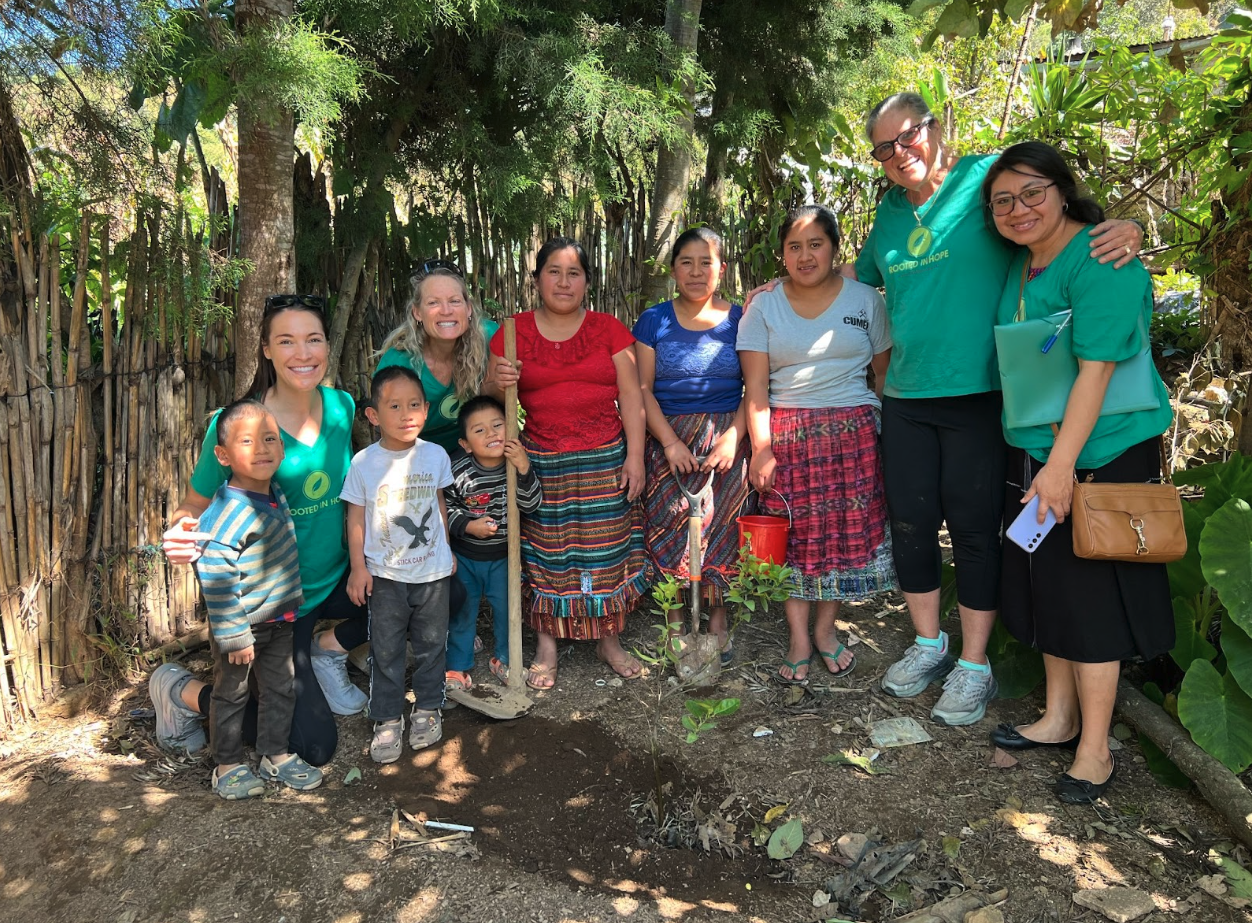
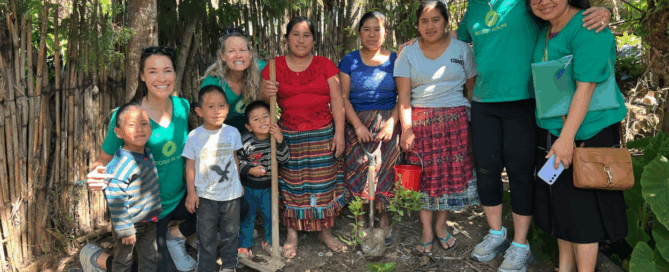
Rooted In Hope began operations in Guatemala in 2023. Guatemala, located in Central America, is a country rich in cultural heritage, natural beauty, and historical significance. Bordered by Mexico to the north and west, Belize to the northeast, Honduras to the east, and El Salvador to the southeast, it also has coastlines along the Pacific Ocean and the Caribbean Sea.  Views as the Rooted In Hope Volunteer team approach Lake Attilan in the second site visit. Known as the heartland of the ancient Maya civilization. The country's landscape is marked by rugged mountains, active volcanoes, lush rainforests, and stunning lakes, including the famous Lake Atitlán. Guatemala's population is diverse, with a vibrant blend of indigenous Mayan communities and mestizo culture, reflected in its languages, traditional textiles, music, and festivals. Despite ongoing challenges related to poverty and political instability, Guatemala remains a country of resilience, offering a unique window into both ancient history and contemporary indigenous life. The Rooted In Hope team base camps in Panachajel on the shores of Lake Attitlan, before heading upland to the village of Chipop. In the small highland village of Chipop, nestled near Panajachel by Lake Atitlán in Guatemala, Indigenous Mayan women face daily challenges tied to poverty, isolation, and limited access to basic resources. Water scarcity is a pressing issue; although Lake Atitlán is nearby, safe drinking water is not guaranteed due to contamination and the lack of infrastructure. Many women and children walk long distances to collect water, which is often unclean and leads to waterborne illnesses that impact the health and well-being of entire families. For these women—many of whom are the primary caregivers and providers—the burden of securing clean water adds immense pressure to already difficult [...]

By | August 1st, 2025|General|0 Comments

Construction of Rooted In Hope Library & STEM Resource Center in Kenya

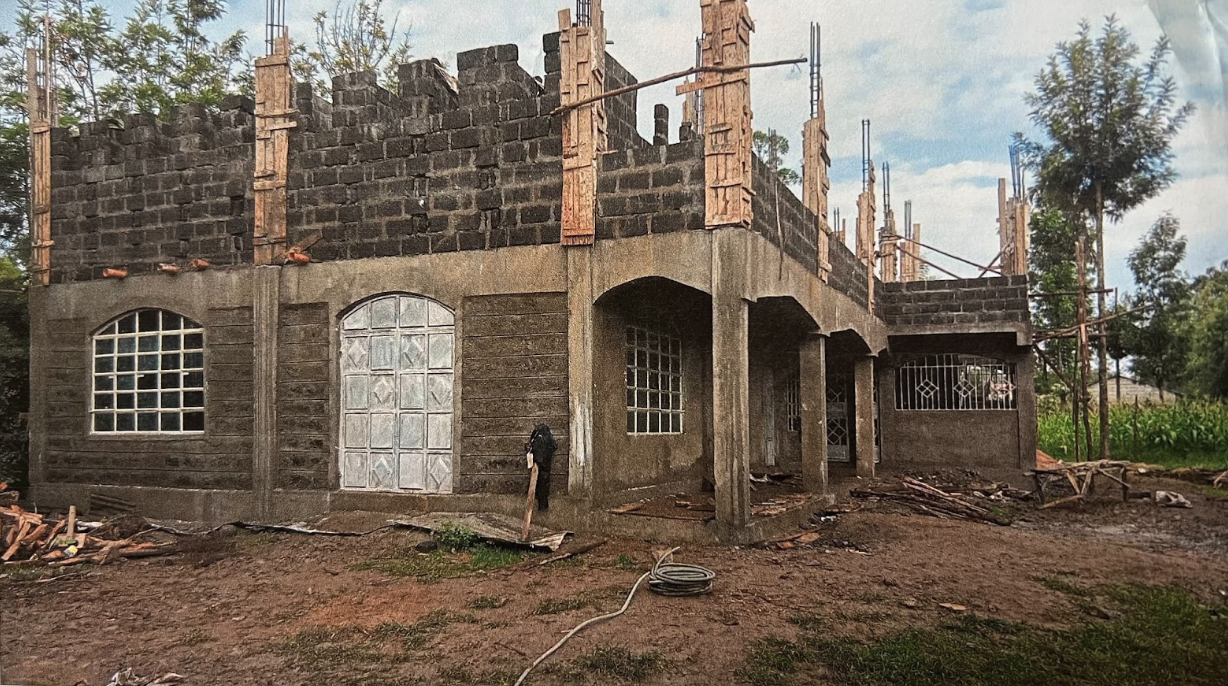
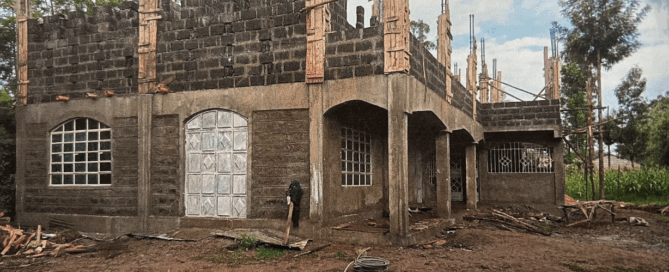
Rooted In Hope embarked on one of our most ambitious projects, the construction of a Library and STEM (Science, Technology, Engineering and Mathematics) Resource Center at the Baraka Children’s Home and school. Consistent with our values and mission, education remains at the core of our sustainability efforts and we remain committed to providing the forum to promote environmental awareness for the generations that will follow. 250 students have been served at Baraka since Rooted In Hope has been partnering with them.  The Rooted In Hope Library & STEM Resource Center at Baraka Children’s Home in Nyeri. Construction, painting and outfitting is to be completed in 2025. The students of Baraka also participate in our Sister School programs, exchanging letters and drawings with schools here in the United States in our efforts to improve multi cultural exchange and a global approach to environmental protection. Rooted In Hope volunteers meet with students and present lessons and engage in question and answers. To date numerous schools have participated in these programs and they remain a highlight for our volunteers and for the students that learn from each other about their respective traditions, cultures, challenges and highlights that comprise daily life in Kenya as compared to life in both urban and rural areas in the United States.  Jessica Kain, a Rooted In Hope volunteer who spent two weeks in Kenya in September 2024 is presenting to Njengu Primary School in Nyeri. The students all participate in tree planting, establishing kitchen gardens, and water conservation through the introduction of drip irrigation systems provided by Rooted In Hope.

By | August 1st, 2025|General|Comments Off on Construction of Rooted In Hope Library & STEM Resource Center in Kenya

Celebrating Earth Day 2021

Rooted in Hope celebrated Earth Day last week, by nurturing over 300 new trees that will be planted along the beautiful Applegate River in Southern Oregon in 2021. In partnership with the Applegate Partnership & Watershed Council, these trees will be planted by Ruch Outdoor Community School students, our Park Programs volunteers and dedicated members of the community, working to protect our environment, restore riparian areas, improve wildlife habitat and contribute to the health and vitality of our shared ecosystem. Rooted in Hope is in its eleventh year of operation around the world. Continuing to raise awareness, raise funds and implement programs that provide assistance in protecting vital watersheds, supporting the smallholder farmers and kitchen gardens, combating climate change and educating students and adults alike in the benefits and joys of thinking and living in a sustainable fashion. Hoping you all were able to get outside on Earth Day and look around, breathe deeply, take in the fresh smell of the spring blossoms and do something to celebrate this beautiful planet we all share.   .

By | April 29th, 2021|General|0 Comments

This Tree Deserved a Hug

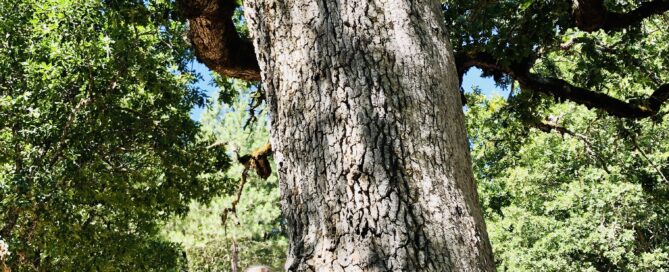
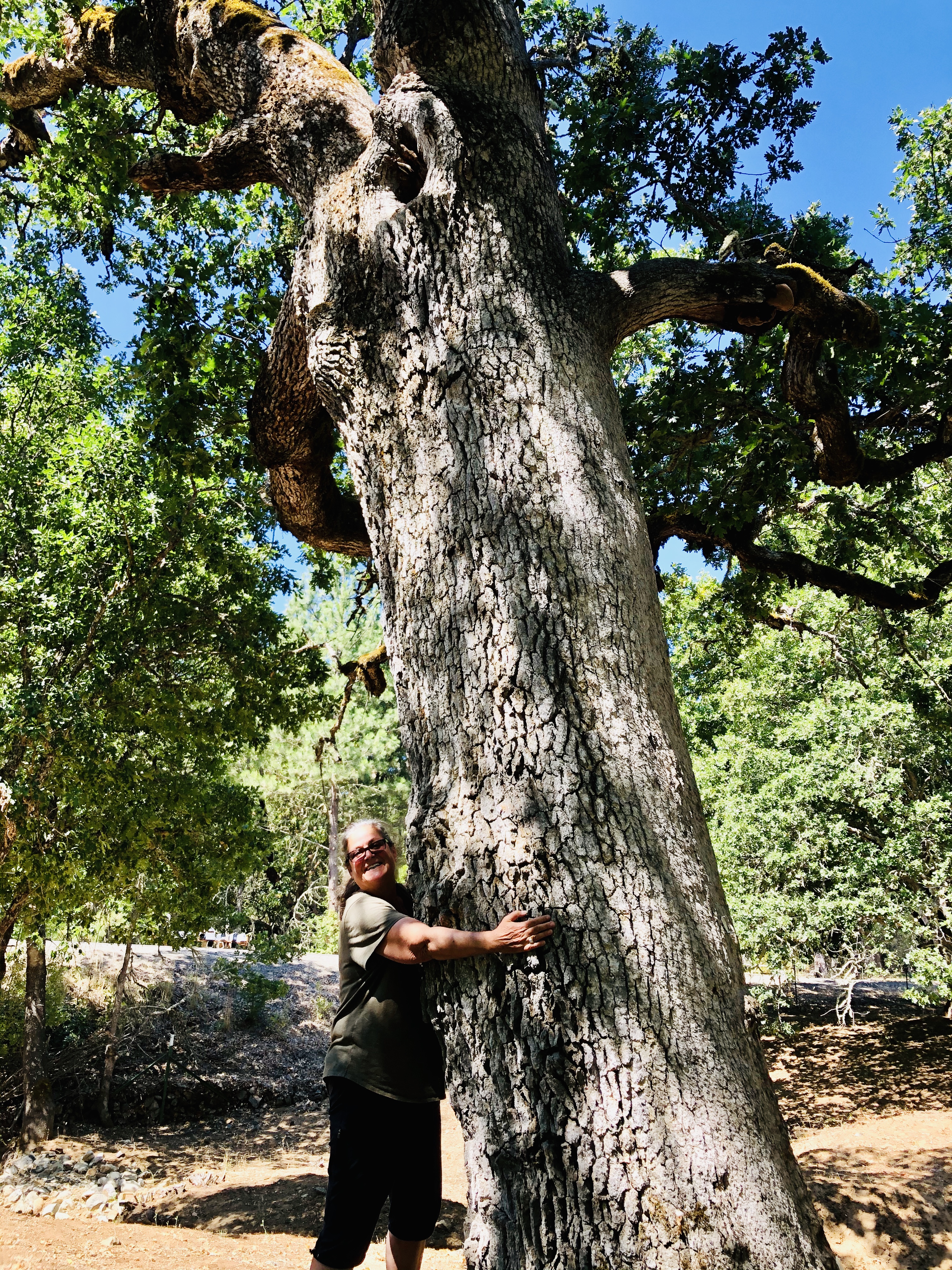
I am currently taking Al Gore's Climate Reality Leadership training along with a dedicated group of climate action activists. As an environmental advocate I would characterize myself as a "tree hugger", but then realized I don't think I have ever actually HUGGED a tree. I love trees,  grew up climbing them, building tree forts in them, collecting their leaves and making scrapbooks. I love picnicking under them, am always thankful for their shade on a hot summer day. I used to fearlessly soar from rope swings into swimming holes, I've listened to the birds and watched the wildlife that calls trees and their branches their home. I have never lost my youthful delight of trees and as I grow older have come to appreciate the many important roles that trees play in our life and the life of our planet even more. Recently my daughter gave me a beautiful book from 1909 "Trees Every Child Should Know" by Julia Ellen Rogers. Within the 100 year old yellow pages are photos and rich descriptions of trees.  I look forward to using it to educate my new grandson as we learn to identify the trees on the ranch and to recognize and appreciate the beauty and unique characteristics of the trees that make up our "RiverCrest Ranch". Here  nestled along the beautiful Applegate River in Southern Oregon we have almost 30 species of trees.  From the Oregon State Tree the Douglas Fir, to the towering Ponderosa Pines, Willow trees along the irrigation canals,  a myriad of fruit and flowering trees, spectacular maples that burst with color in the fall, amongst Dogwoods, Magnolias, and others. But one tree stands out uniquely. It is an old, gnarly, grey behemoth that defines the crest of [...]

By | July 27th, 2020|General|0 Comments

5 Reasons Drip Irrigation Is a Big Win for Small-Scale Farmers

Smallholder farmers across the globe, from the dry plains of East Africa to the coastal mountains of Central America, are disproportionately affected by climate change. Droughts, floods, pests, and diseases are impacting crop production and food security around the world. For the millions of people who rely on the slim margins of small-scale farming for their livelihood, the burden of climate change can seem insurmountable. Smallholder farmers who adopt climate-smart solutions, such as drip irrigation, become more resilient, self-sufficient, and independent. Here are 5 ways drip irrigation makes a big difference for small-scale farmers: 1. Saves time When rainfall is insufficient, many smallholder farmers resort to watering each crop by hand. Drip irrigation allows crops to be watered simultaneously across a large area simply by turning a valve. Liquid fertilizer can be mixed into the water source and distributed through the drip system directly to the roots of each plant. Drip irrigation ensures that water and fertilizer are delivered evenly to every plant, and gives the farmer time to focus on other activities while the crops are watered. 2. Conserves water Drip irrigation is one of the most efficient ways to deliver water to crops. Water drips slowly directly at the base of the plant, allowing each drop of water to be absorbed by the roots. This prevents run-off and evaporation, and ensures that every drop of water is used by the plants. With drip irrigation, water is only emitted where crops are planted and not between crops, which reduces weed growth. 3. Extends the growing season Most small-scale farmers are dependent on rain-fed agriculture and are only able to cultivate crops during the rainy season. Drip irrigation allows farmers to begin cultivation before the [...]

By | January 26th, 2017|General|5 Comments

Big challenges, big dreams: Learning from Kenyan students

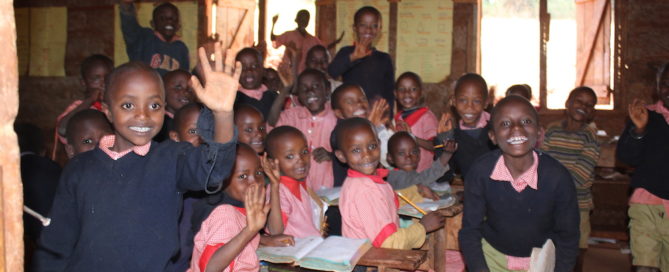
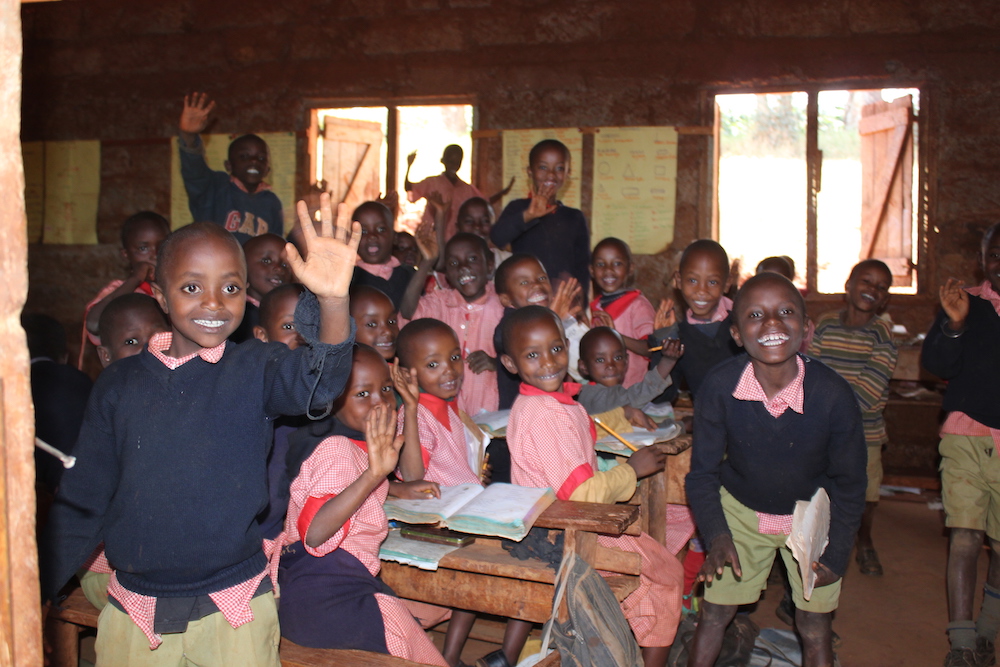
As I enter into the dim-lit classroom at Njengu Primary School, the students faces light up – big smiles and shy chuckles fill the room. I look around at the dirt floors, the thin wooden benches that serve as desks, the faded lessons scribbled on the chalkboard, and the lone, cherished piece of chalk whittled down to only a sliver. I think of all the classrooms I spent my childhood in – brightly lit with decorative holiday-themed banners hanging from the walls, whiteboards covered in every color of dry-erase marker, computers and projectors humming with an endless supply of power, individual desks filled with textbooks, crayons, rulers, scissors, glue – all the necessities for learning, creating, expressing, engaging, growing. Here in Kenya, the humble chalkboard and rickety benches serve as a stark reminder of the challenges these students face – both inside and outside the classroom. Many students at Njengu Primary have to walk long distances to get to school, often on an empty stomach. Unlike most schools in the United States, there is no cafeteria, kitchen facility, or school meal program to feed students throughout the day. Hunger is an unavoidable part of learning. Most of the girls at the school wake up before sunrise to fetch water and firewood. After school, the students help feed cattle, harvest crops in the field, cook, clean, and wash their school uniforms. There is no soccer practice, no dance class, no hide and seek, no Nickelodeon. But these students are just as hopeful for the future, and dream just as big as other children all over the world. When I ask, “What do you want to be when you grow up?” the students answer with optimism and [...]

By | November 11th, 2016|General|3 Comments

Farm to table in the Masai Mara

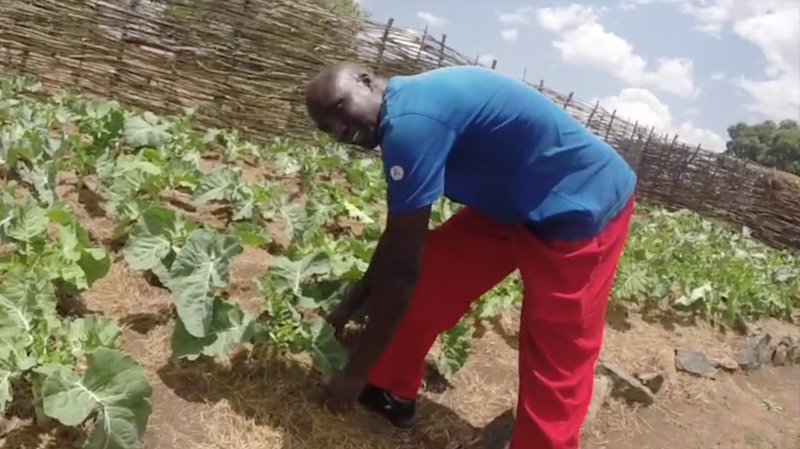
When you think of fresh produce, do you picture a grocery store or a garden? We visited the Angama Mara Camp in southwest Kenya, situated atop the Oloololo escarpment looking out over the vast plains of the Masai Mara. Here, where elephants, giraffe, buffalo, and zebra roam freely, there are no grocery stores, no refrigerated aisles stocked with assorted produce. The only source of vegetables to feed the guests at the lodge is the nearby garden, or ‘shamba,’ located a kilometer away down a dirt road. After visiting the shamba, we had gained a new appreciation for our lunch salad, a hearty mix of lettuce, spinach, beetroots, carrots, and radish, as well as a new perspective on what it means to be “farm to table.” Wiki, one of the hosts at Angama Mara, and Naliki, the shamba manager, took us on a tour of the garden, and taught us about the many techniques they have incorporated to ensure a consistent supply of vegetables for the lodge. Water remains the number one challenge in this semi arid region of east Africa. Naliki wakes early each morning to water the garden before the hot sun rises, and stays until late in the afternoon to water again. He carefully covers the base of each plant with mulch to help retain the moisture and reduce evaporation. He has constructed an intricate maze of berms and terraces, designed to prevent erosion and control the flow of water to each crop. He has also built two water storage dams to collect and store water during the occasional rains. Outside the fence that surrounds the garden is a string of cowbells to warn of encroaching elephants and other large animals. Inside is [...]

By | September 20th, 2016|General|0 Comments

Seeds that feed us: A visit to the ECHO Asia Seed Bank

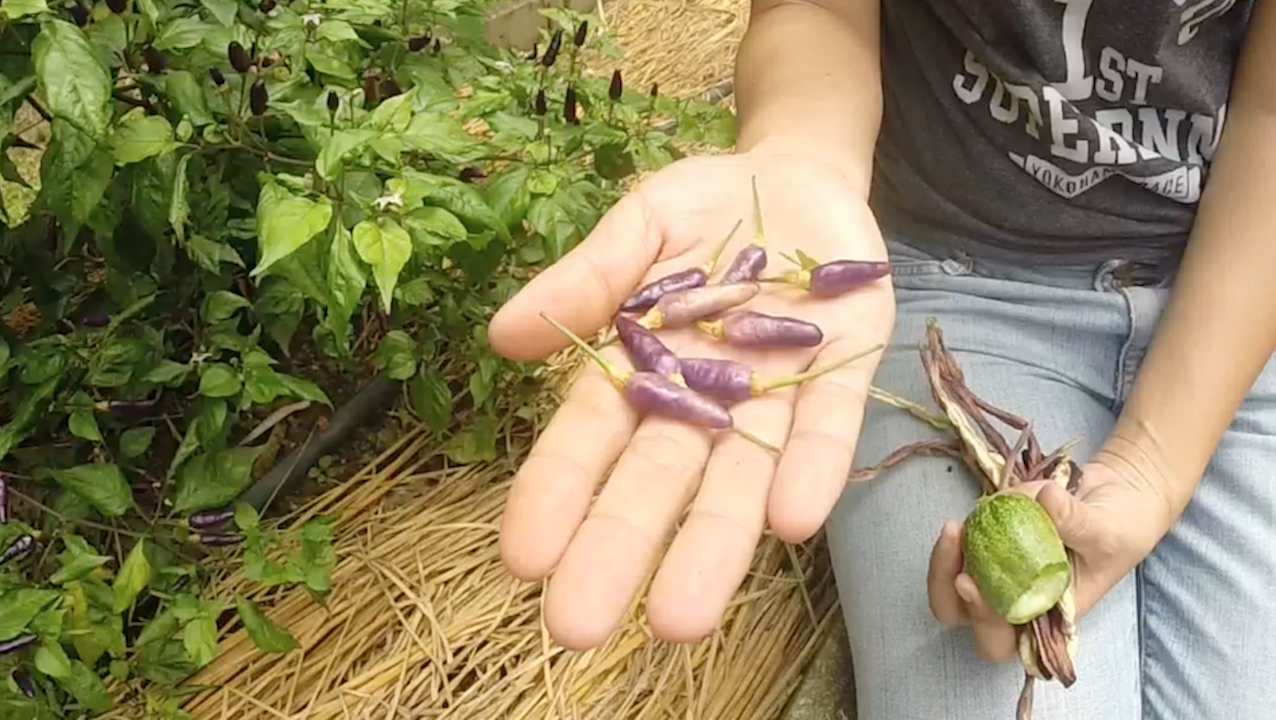
Do you ever consider the complete lifecycle of the fruits and vegetables you eat? Each one started as a tiny seed that was nurtured and cultivated before transforming into a plant and eventually making its way to your plate. Those tiny seeds are the origin of our food, the foundation of our sustenance. Often times we forget the importance of seeds, and many people are unaware of what it takes to ensure a continuous supply of this precious resource. For smallholder farmers, acquiring the seeds needed to sustain a healthy, diversified diet can be a challenge. Subsistence farmers who have little or no income are unable to go to a local store and purchase a variety of seeds for their garden. Knowing how to harvest and properly store seeds is an important skill that can help them achieve better nutrition and improve their food security. We visited the ECHO Asia Impact Center (echonet.org/asia-impact-center) in northern Thailand to learn how this organization is proactively addressing seed availability for smallholder farmers in the region. We met with Wah, the Seed Bank Manager, who demonstrated all of the steps involved in ECHO Asia’s seed distribution model. Each and every seed is cultivated, harvested, sorted, dried, packaged, stored, tested, and finally, distributed to farmers. The entire process can take several months, and requires a hands-on approach that can be labor intensive and tedious at different stages. Next time you bite into an apple or mix up a salad, consider the time, labor, and persistent care that went into producing the seeds that feed us. A big thanks to Wah and the rest of the ECHO Asia team for sharing their work. https://www.youtube.com/watch?v=6v36l2Fdx0E August 2016 --- ECHO Asia Impact Center [...]

By | September 5th, 2016|General|0 Comments

Small margins in El Salvador’s markets

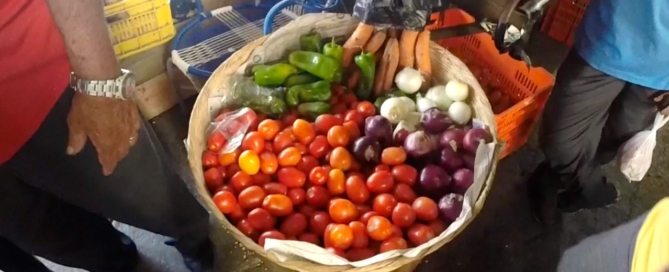
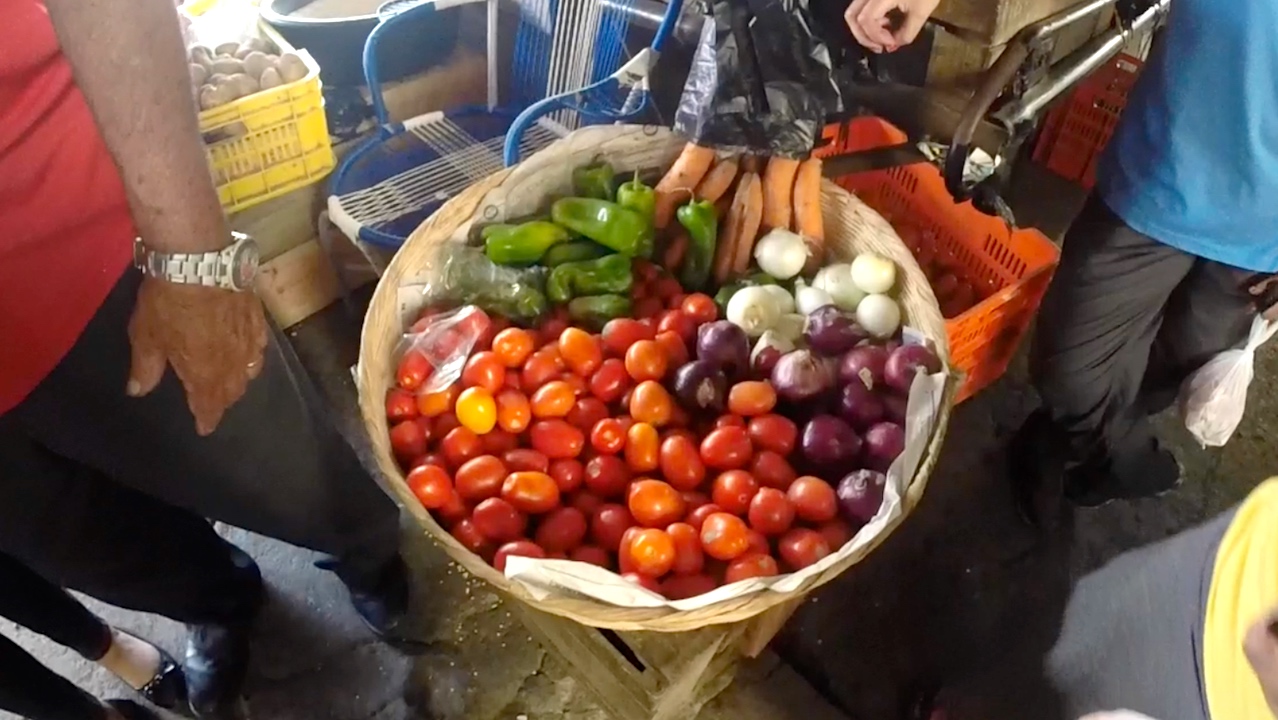
At the Sunday market in Berlín, El Salvador, the streets are bustling with vendors selling their vegetables. Some have only a basket of goods to sell, while others set up a small table with a variety of crops available for a few cents each. We spoke with both buyers and sellers at the market to learn about how they’re making the most with the little they have. In the rural communities surrounding Berlín, many farmers harvest just enough to feed their families. Those who are fortunate enough to harvest a small surplus often try to sell those crops in the market. Some of these farmers have to walk for hours from their villages to the market in town, just to earn a few dollars. Other vendors purchase fruits and vegetables from a local supplier, and increase the price just enough to make a small profit. If the crops are spoiled, the vendors may lose money on their investments. Earning money at the market is not guaranteed, and when they do make a profit, it is usually at very slim margins. Since most of the shoppers at the market are poor, even a slight change in the price of goods can have an enormous impact on their buying power. Many have only a few dollars to spend on the basic necessities – food for their families – with very little left over for other purchases. Our visit to the Sunday market in Berlín showed just how vulnerable people are – vendors and shoppers alike – when they have so little. https://www.youtube.com/watch?v=vjyKkoa1k-Q July 2016 --- Berlín, Usulután, El Salvador

By | August 5th, 2016|General|0 Comments